What to check before cooking in a vacation rental kitchen
· Editorial team denvernewsdaily24.com
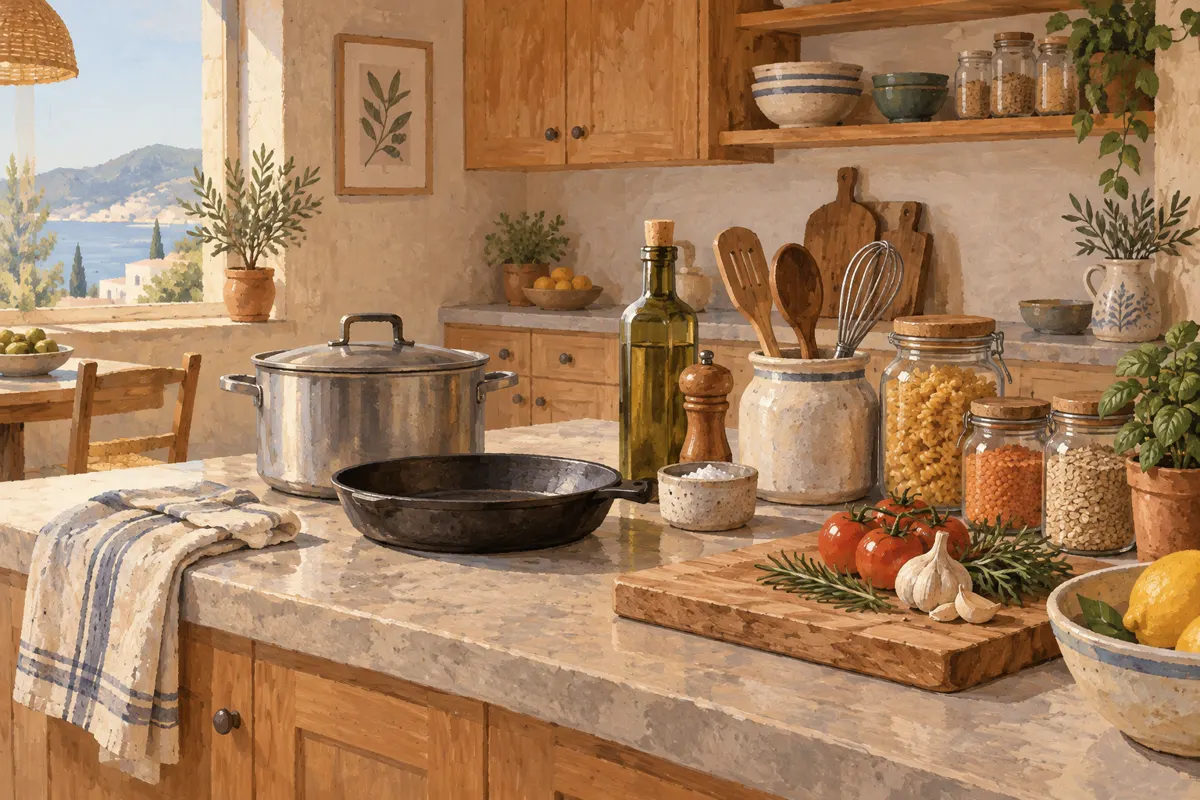
Before cooking in a vacation rental, check that you have usable cookware, basic utensils, working appliances and the ingredients your meal needs. Do this before grocery shopping: a kitchen with plates and a microwave may still lack a large pot, a can opener or cooking oil. A quick inventory helps you choose meals you can comfortably prepare.
Start with cookware and cooking capacity
Open the cupboards and pull out the pans you expect to use. Count usable pieces rather than assuming a crowded cabinet means a complete setup. One small frying pan may cover breakfast for two but make a group dinner awkward. Check whether pots have matching lids and whether there is a baking sheet or oven dish.
- Look for a frying pan, a saucepan and a pot large enough for your planned portions.
- Check handles, cooking surfaces and lids for visible damage or leftover food.
- Find an oven mitt or dry potholder before planning to use the oven.
- Check that any dish you plan to heat in the oven is marked or identified as suitable for that use.
If essential cookware is missing or damaged, contact the host before buying a replacement. Meanwhile, adjust the meal to the equipment available. Our suggested fallback is a simple dish that uses one usable pan and avoids several components needing heat at once.
Find the small tools that can stop a meal
Small omissions often matter more than specialty appliances. Locate a usable knife and a stable cutting board, then walk through your recipe from opening the ingredients to serving the finished dish. Canned beans need an opener; pasta needs a practical way to drain it; grated cheese needs a grater unless you buy it already prepared.
- Preparation: knife, cutting board, peeler and mixing bowl.
- Cooking: spatula, spoon and tongs suited to the cookware.
- Recipe-specific tasks: can opener, colander, grater and measuring tools.
- Serving: enough plates, bowls, glasses and utensils for everyone eating.
Check condition as well as presence. A warped board or damaged utensil is a reason to change your preparation plan or ask the host for help. If you are driving and already know you will cook, bringing a few familiar tools is an option; choose them around actual meals rather than packing an entire kitchen.
Understand the appliances before buying ingredients
Identify which appliances are available and read the host’s instructions. A kitchenette may offer only reheating and drink-making equipment, while a larger kitchen may include a stove and oven. Do not build your shopping list around an appliance shown in a listing photo without checking that it is present and available to use.
- Locate the stove and oven controls, and check the instructions for unfamiliar settings.
- Look inside the refrigerator and freezer to see how much storage space is available.
- Check the coffee setup: machine type, filters or pods, and whether a kettle is provided.
- Report missing parts, visible damage or unclear operating instructions to the host before relying on the appliance.
Check pantry basics and cleanup supplies
Treat salt, pepper, oil and coffee as items to verify, not guaranteed amenities. Check quantities, labels and condition before counting them toward a recipe. Leftover bottles and packets may not be what you need, and an unidentified ingredient is better left out of your plan. Bring or buy preferred seasonings if they are central to the meals you want.
Also find dish soap, a clean sponge or brush, towels and trash bags. If there is a dishwasher, check for the appropriate detergent. Locate containers with matching lids for leftovers. These supplies determine whether you can clean between cooking tasks and put food away without another shopping trip.
Choose meals after the inventory
Our suggested approach is to plan the first meal only after checking the kitchen. Match each dish to its essential equipment, then write a short list of missing ingredients and supplies. Keep the first grocery shop modest so you can adapt once you understand the space.
- With a usable frying pan and spatula, consider scrambled eggs or sautéed vegetables.
- With a large pot and colander, consider pasta with a simple sauce.
- With an oven, suitable baking sheet and oven mitts, consider roasted vegetables.
- With limited cooking equipment, consider sandwiches or salads, checking preparation tools first.
For a group, check serving capacity too. A meal that fits the cookware but requires several rounds of cooking may take more effort than you want on vacation.