How to turn a complicated recipe into a clear cooking checklist
· Editorial team denvernewsdaily24.com
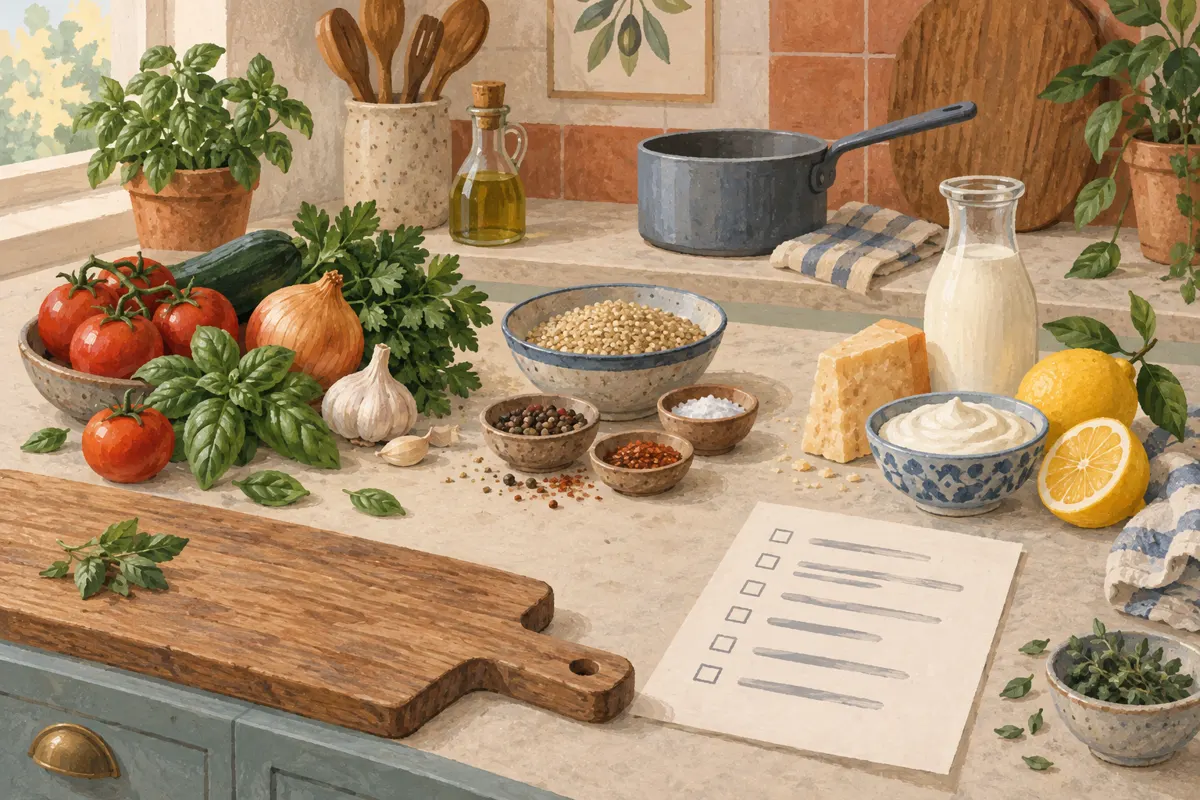
Turn a complicated recipe into a clear checklist by reading it all the way through, separating preparation from cooking, grouping ingredients by when they are used, and arranging tasks around what must happen first. Keep the recipe’s quantities, temperatures, timing, and doneness instructions beside the relevant actions. The checklist should make the recipe easier to follow without changing how the dish is made.
Read the whole recipe before rewriting it
Begin with the ingredient list and every instruction, including notes. Look for anything that changes when you need to start: an ingredient brought to a specified temperature, a marinade, a resting period, or a component prepared separately. A short instruction near the end can depend on work that should happen much earlier.
Breaking a large task into smaller actions and grouping related actions is a general problem-solving approach described in the supplied source. The cooking checklist method below is an editorial proposal applying that idea to recipes.
- Mark advance work, such as soaking, chilling, or marinating.
- Identify separate components, such as a filling, sauce, or topping.
- Note equipment needed at each stage, especially shared pans or appliances.
- Highlight instructions that divide an ingredient or reserve part of a mixture.
Pull preparation tasks out of cooking instructions
Recipes sometimes hide preparation inside a cooking step: add the chopped onion, stir in the beaten eggs, or fold in the cooled mixture. Turn those descriptions into explicit tasks. This prevents you from reaching an active cooking stage and discovering that an ingredient still needs attention.
Write each task with a clear verb and enough detail to act on it. “Prepare vegetables” leaves decisions unresolved. “Dice the onion; slice the mushrooms” tells you exactly what to do. Preserve any size or texture specified by the recipe rather than replacing it with a vague shorthand.
- Measure ingredients needed during a continuous cooking step.
- Wash, peel, chop, grate, or drain ingredients as directed.
- Prepare pans and equipment when the recipe calls for them.
- Keep tasks that require freshly prepared ingredients close to their point of use.
Group ingredients by the stage where they belong
Create small ingredient groups with practical names: sauce, filling, batter, or finishing. Each group should contain the amounts used at that stage. You can organize these groups on paper without putting every ingredient into a separate bowl.
Pay particular attention to ingredients used more than once. If the recipe divides butter between the base and topping, record each portion beside its task. Check that those portions add up to the original total. Keep phrases such as “reserve for serving” visible so an ingredient does not disappear into an earlier step.
For example, a hypothetical baked pasta checklist could group ingredients under pasta, sauce, and topping. This makes it easier to see which ingredients enter the saucepan together and which stay aside until assembly.
Put dependent tasks first and plan useful overlaps
Arrange the checklist around dependencies: the sauce must be ready before assembly, and a mixture that needs cooling must cool before the next specified step. Preserve these relationships even when you move preparation tasks earlier. Do not assume the recipe’s paragraphs each represent a single uninterrupted task.
- Place advance tasks at the top, with the recipe’s required waiting periods.
- List preparation needed before active cooking begins.
- Start components that have a long, mostly unattended stage.
- Place a suitable preparation task within that waiting period.
- Bring completed components together for assembly, finishing, and serving.
Make overlaps explicit: “While the sauce simmers, prepare the topping.” Only schedule this if the sauce instructions allow you to step away. Leave stirring, close monitoring, and other attention-heavy actions free of competing tasks. Check whether overlapping steps need the same burner, pan, or workspace.
Check the finished list against the recipe
Use one line for each action you want to check off. Include quantities where they prevent backtracking, and copy essential temperatures, durations, and doneness cues accurately. Keep the original recipe available for explanations that would make the checklist cumbersome.
- Confirm that every ingredient appears at its intended stage.
- Check divided quantities and reserved ingredients.
- Retain all required waiting periods and finishing steps.
- Verify that each task’s prerequisites are complete before it begins.
- Make sure the last lines cover any specified resting, garnishing, and serving instructions.
During cooking, check off completed actions and mark anything currently waiting. Afterward, adjust wording that caused confusion. A useful checklist lets you find the next action quickly while preserving the details the recipe depends on.