How to keep roasted vegetables from turning soggy
· Editorial team denvernewsdaily24.com
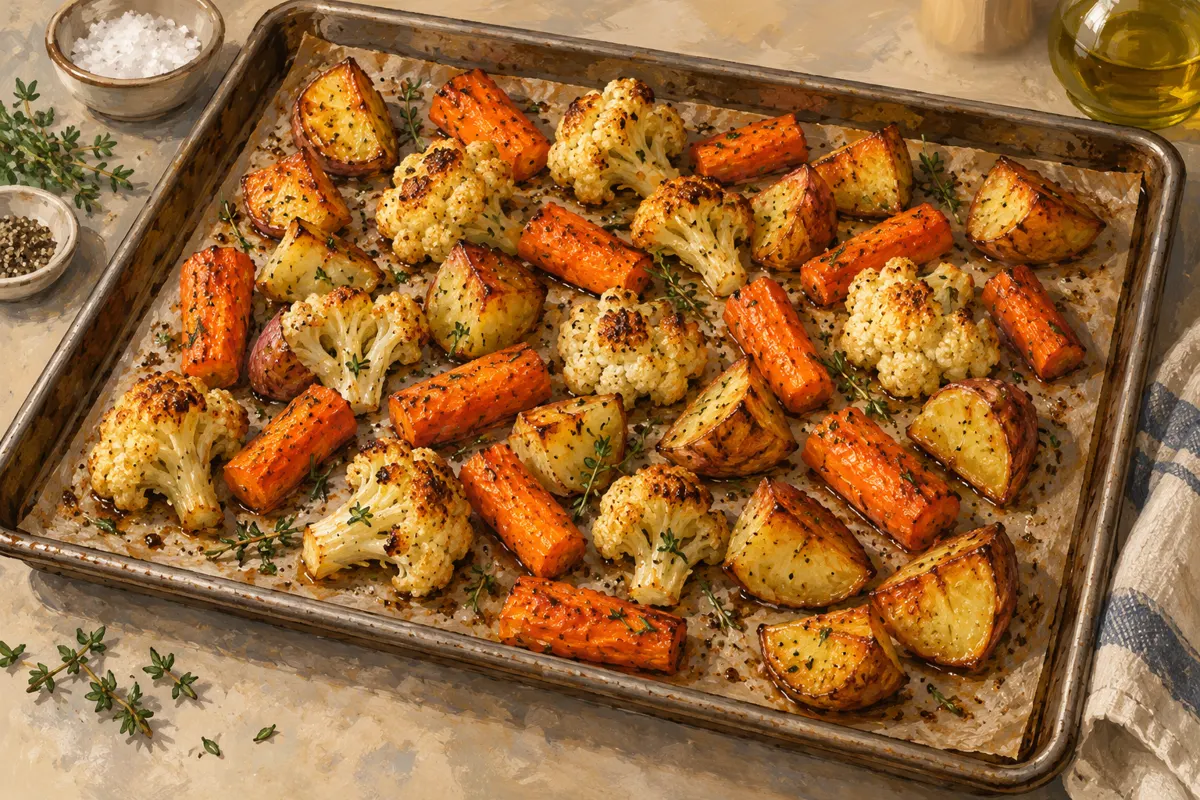
To keep roasted vegetables from turning soggy, dry them thoroughly, cut them into similar-size pieces, and spread them in one uncrowded layer. Roast uncovered in a fully heated oven, and cook vegetables with different cooking times separately. The aim is to let moisture escape while the surfaces brown, then stop cooking when the centers are just tender.
Start with dry vegetables and even cuts
Water left from washing gives vegetables extra moisture to shed before their surfaces can brown. After rinsing, drain them and pat them dry with a clean kitchen towel. Pay attention to broccoli and cauliflower florets, where droplets can collect between branches. If you wash vegetables ahead of time, dry them before adding oil.
Cut each type of vegetable into pieces of roughly equal size. This helps prevent small pieces from becoming soft while larger ones are still firm. Consistency matters more than making every piece the same shape. For carrots, for example, split thick sections lengthwise so they are closer in thickness to the narrow ends.
Give vegetables room on the pan
Use a rimmed baking sheet with enough room to spread the vegetables in a single layer. A deep dish or a crowded pile holds moisture around the food, encouraging steaming. Leave visible gaps between pieces where practical. If the vegetables cover the sheet in overlapping layers, divide them between two pans or roast in batches.
- Toss with enough oil to coat the surfaces evenly; avoid leaving a pool of oil on the sheet.
- Arrange flat cut sides against the pan to give them good contact for browning.
- Keep the pan uncovered so moisture can escape.
- Add liquid dressings after roasting instead of pouring them onto the pan.
An even coating of fat is part of the roasting method described by Bon Appétit. Spread the vegetables out again after tossing: a well-coated heap still needs space to roast.
Use a hot oven and watch the texture
Our suggested starting point is 425°F on a middle oven rack for a general tray of vegetables. Preheat fully before putting the pan in. Temperature alone cannot compensate for wet vegetables or an overcrowded sheet, so get those details right first.
Let the vegetables sit long enough to develop color before turning them. Then use a spatula to turn or redistribute the pieces and check their undersides. Frequent stirring makes it harder to judge whether the surfaces touching the pan have browned.
Use appearance and tenderness together to judge doneness. Look for browned surfaces and a center that yields to a fork without collapsing. Bon Appétit emphasizes that cooking time varies with the vegetable, piece size, and oven, so check the food rather than relying on one fixed roasting time.
Separate vegetables with different cooking times
Similar-size pieces of different vegetables do not necessarily finish together. Dense carrots and potatoes can need longer than softer zucchini. If everything goes onto one sheet at once, the faster-cooking pieces may become limp while you wait for the rest.
- Group vegetables by firmness and thickness, keeping dense roots separate from softer vegetables.
- Start the vegetables that need longer first.
- Roast faster-cooking vegetables on a separate sheet, or add them later if the original pan has enough space.
- Check each group independently and remove finished pieces instead of waiting for the whole batch.
Rescue a soggy batch and serve it promptly
If vegetables are pale and wet but still hold their shape, spread them onto a roomy baking sheet and return them to the hot oven uncovered. Divide the batch if necessary. Check frequently and remove them when they have better color. Vegetables already cooked to mush will not regain a firm center through more roasting.
Serve soon after roasting. Avoid piling hot vegetables into a covered bowl, where trapped steam can soften their browned surfaces. Add sauces just before eating. If a batch is too soft to rescue, an editorial suggestion is to turn it into a blended soup or vegetable mash rather than keep cooking it in pursuit of crisp edges.