How to host a cookbook club without cooking the whole menu
· Editorial team denvernewsdaily24.com
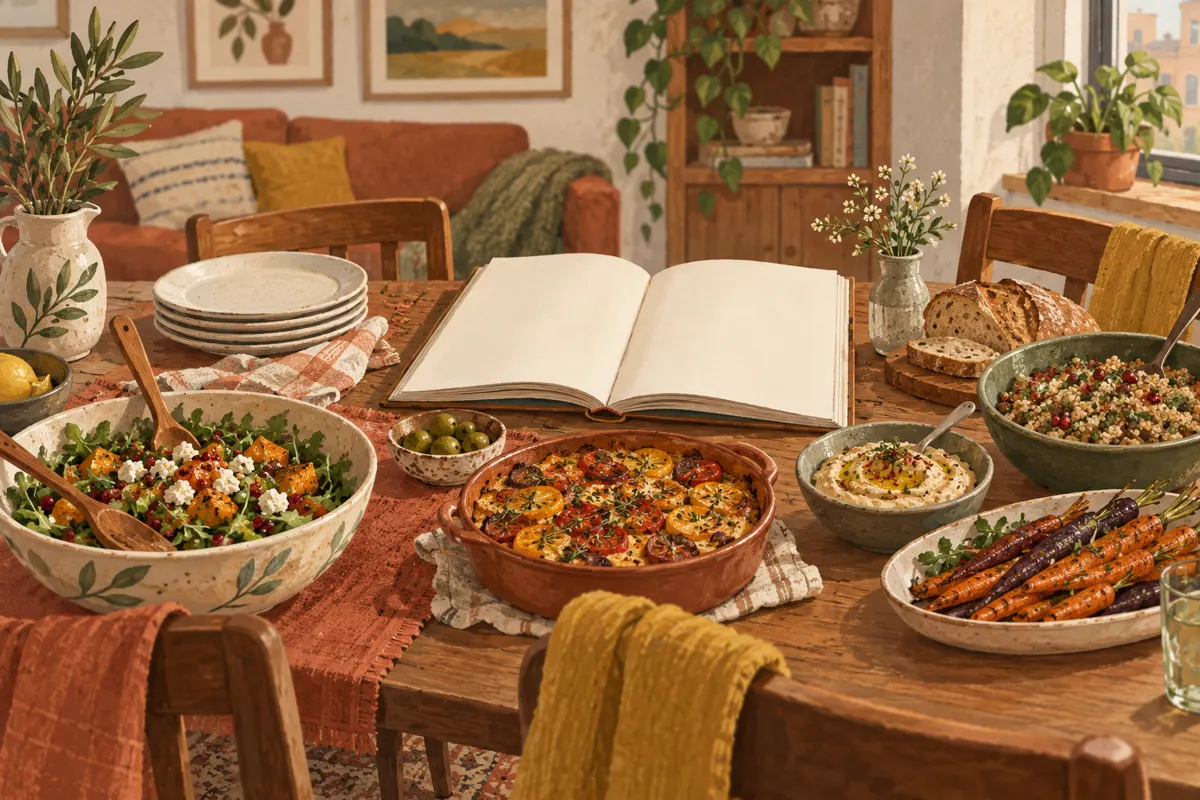
Host a cookbook club as a coordinated potluck: choose one cookbook, have each person claim a different recipe, and cook just one dish yourself. For six friends plus you, agree on portions and kitchen needs ahead of time so the evening leaves room to eat and talk. The proposed format below keeps the host’s job manageable while making the book part of the conversation.
Choose one cookbook everyone can use
Start with a book the group can access and realistically cook from. Invite friends to suggest titles, then look together at ingredients, equipment and preparation time. A beautiful book may be appealing, but check whether its recipes fit everyone’s budget, confidence and available kitchen space.
For this first gathering, our proposal is to choose one book and one date rather than plan a whole season. Ask about dietary needs before anyone claims a recipe. Agree on how members will consult the book: their own copy, a borrowed copy or time spent browsing together. Nobody needs to read every page; ask each person to read their recipe and any accompanying introduction.
Build a shared menu before anyone shops
Put the menu in one shared note or group message. Recipe names alone are not enough: include who is cooking, the page number, the recipe’s stated yield and any finishing work needed at your apartment. Confirm choices before shopping so two people do not arrive with the same dish.
- Host: one substantial dish that can be finished before guests arrive.
- Friend one: a second substantial dish, chosen to complement the first.
- Friends two and three: one vegetable dish or side each.
- Friend four: a salad or another contrasting side.
- Friend five: a starter or snack.
- Friend six: dessert.
Adjust those roles to the cookbook; a baking book might suit an afternoon gathering instead. Coordinate portions across the menu rather than asking everyone to make seven full servings. Check that there is enough substantial food for the group, and identify which dishes meet dietary needs. Drinks can be a separate, agreed contribution.
Give your small kitchen a clear workload
The potluck model lets members prepare their assigned dishes at home instead of cooking the whole meal together. That is a useful foundation for an apartment gathering, especially when counter space and seating are limited.
- Ask guests to bring dishes ready to serve wherever practical, with any dressing or garnish packed separately.
- Confirm oven, burner and refrigerator needs in advance. Change a recipe choice if several dishes need the same equipment at once.
- Ask each cook to bring a serving utensil and tell you whether their dish needs a platter or bowl.
- Clear one surface for food and another spot for drinks. Set out plates, cutlery and napkins before arrival.
- Choose seats for all seven people and leave a clear route between the food and seating.
Send one final message with the arrival time, confirmed menu and agreed kitchen arrangements. If someone cannot cook, offer a smaller assignment or revise the menu. A flexible contribution is easier to accommodate before the evening starts.
Use the recipes to start the conversation
Once everyone has food, invite each cook to introduce their dish briefly: what they made, what they changed and what surprised them. Sharing substitutions and tricky steps gives the group something concrete to discuss without requiring a formal presentation.
- What did the recipe introduction explain about this dish or the author’s connection to it?
- Did that story influence why you chose the recipe?
- Which ingredient or technique was new to you?
- What changed when you made a substitution?
- Would you cook this again, and for what occasion?
Keep claims about a dish’s history tied to what the book actually says. If a recipe has little background, say so and discuss the cooking experience instead. Let conversation wander naturally, with room for everyone to contribute.
Make the next gathering easy to arrange
Before everyone leaves, choose the next host and a tentative date. Rotating homes shares the work, and deciding together gives the club a practical next step. Keep a short record of the book, recipes, cooks and useful adjustments rather than assigning someone a large documentation project.
Ask whether the format felt manageable. Next time might be brunch, a picnic or another dinner; busy months can be skipped. Keep the arrangement flexible enough that people want to return.